The Chilean Hot Dog: Origins, Evolution and its Place in Chilean Cuisine

The Chilean completo is one of the most recognizable icons of the country's popular cuisine. Although its origins lie in the American hot dog, in Chile it took its own path, becoming a dish with a distinct local identity. Its history is linked to the merchant Eduardo Bahamondes. After discovering this type of food in the United States, he brought the idea to Santiago, introducing it at his establishment , Quick Lunch Bahamondes , located near the Portal Fernández Concha, across from the Plaza de Armas. Various sources place this process in the 1920s and indicate that the restaurant was already operating around 1930.
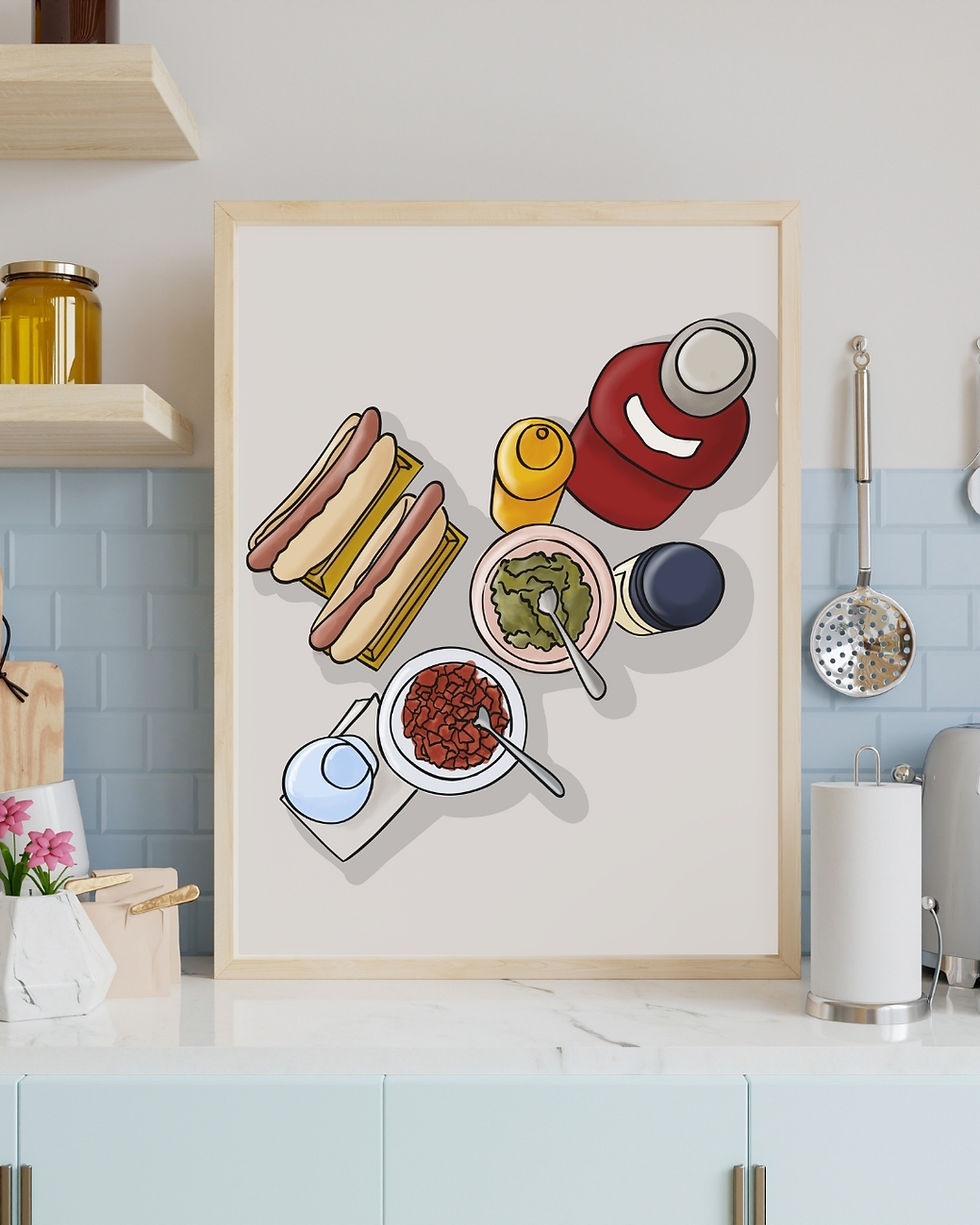
The evolution of the complete
Initially, the concept was inspired by the classic hot dog: bread, sausage, and simple condiments. But that version didn't quite resonate with local tastes. Therefore, it began to be adapted with more abundant and fresh ingredients. This led to the introduction of combinations with tomato, sauerkraut, mayonnaise, and later, avocado. These elements ultimately defined the Chilean completo.
That change was key. More than copying a foreign dish, Chile transformed it. The completo went from being a local version of the hot dog to becoming its own recipe. It's more generous, more substantial, and much more closely linked to Chilean eating habits.
From hot dog to complete Italian
Over time, different versions emerged. One of the most iconic was the " completo italiano ," prepared with tomato, avocado, and mayonnaise. Its name is related to the colors of the Italian flag: red, green, and white. Furthermore, the Portal Ex Bahamondes is identified by tourist and journalistic sources as one of the places linked to the development of this dish. Today, it is considered one of the most classic in the country.
Alongside the Italian version, other versions emerged, such as the dynamic, the German, and various regional adaptations. Chile Travel even mentions local variations like the Arica, Metropolitan, Temuco, and Magallanes styles. This demonstrates how this dish expanded and adapted to different tastes within the country.

A popular and universal dish
One of the reasons the completo has remained a staple in Chilean cuisine is its versatility. It's found in traditional soda fountains, neighborhood eateries, street markets, and specialty chains. Its popularity isn't just due to its flavor, but also to its affordability and its ability to serve as fast food, a casual lunch, or a shared treat.
There is a significant urban component to its history. Its connection to downtown Santiago, especially the Portal Fernández Concha, helps to fully understand it as part of everyday Chilean culture in the 20th century. It's a cuisine associated with the city's bustle, commerce, quick encounters, and street life. The Portal Fernández Concha itself remains a historic landmark in downtown Santiago and a place synonymous with this culinary tradition.
The completo as a symbol of culinary identity
The completo chileno perfectly represents how popular cuisine works in Chile. It takes external influences, adapts them, and makes them its own. In this case, the difference wasn't just in adding more ingredients. A recognizable, everyday, and deeply Chilean dish was created. The presence of products like avocado and tomato, along with the abundant use of sauces, helped define a local version with its own distinct personality.
That's why talking about the completo isn't just talking about fast food. It's talking about urban memory, shared customs, and a dish that has remained a staple of Chilean culinary culture for over a century. Its history shows that even the most everyday dishes can become national symbols. This happens when they connect with the tastes, history, and daily life of a country.
A classic that remains relevant
Today, the completo continues to hold a central place in Chilean cuisine. Its enduring presence is evident not only in its daily consumption but also in popular celebrations like National Completo Day , a commercially promoted event since 2009 and adopted by various chains and restaurants across the country. Beyond that date, its true cultural significance lies in something simpler: it remains one of Chile's most recognizable, beloved, and shared dishes.

The importance of the presentation
The presentation of a completo is fundamental. It's not just about the ingredients, but how they're combined on the plate. A good completo should be visually appealing. The mix of colors from fresh ingredients, like the red of the tomato and the green of the avocado, creates a burst of color. This not only stimulates the appetite but also reflects the care put into its preparation.
The way it's served is also important. A well-presented completo can make the experience of eating it even more enjoyable. That's why many cafes and restaurants strive to offer creative and visually appealing versions of this Chilean classic.
The emotional connection with the whole
The completo is more than just a dish; it's an experience. For many, eating a completo evokes childhood memories, moments shared with friends and family. It's a symbol of everyday life in Chile. Each bite brings with it stories and memories. This makes it more than just fast food.
I often find that a completo can be the center of a conversation. Whether at a fair, a park, or on the street, sharing a completo with someone creates a bond. It's a moment of connection, where food becomes a vehicle for friendship and community.

The versatility of the complete
The completo is incredibly versatile. It can be enjoyed at any time of day. Whether for breakfast, lunch, or dinner, there's always a place for it at the table. Furthermore, it can be customized to suit individual tastes. Some prefer to add more sauces, while others opt for a simpler version.
This adaptability is part of its charm. Everyone can have their own favorite version. This makes the completo an inclusive dish, adaptable to different palates and preferences.
The Chilean completo is more than just a dish. It's a symbol of the country's culinary identity. Its evolution, popularity, and emotional connection have made it an icon of Chilean gastronomy. Over the years, it has remained relevant and current in the local culture. Every bite tells a story, and every completo is a celebration of everyday life in Chile.
Visit our ONLINE STORE to discover prints inspired by the kitchen and more.


Comments